Horizontal Sausage Stuffer: 5 Nozzles for Clean Links
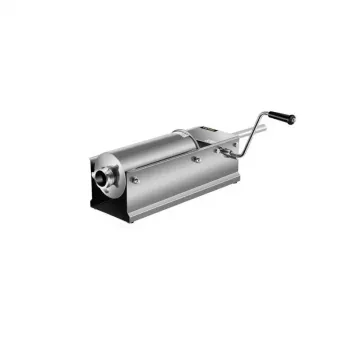
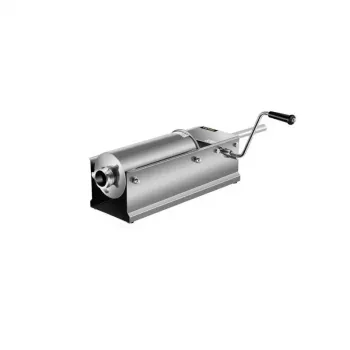
Horizontal Sausage Stuffer with 5 Nozzles: Smooth Filling for Links, Brats, and Snack Sticks
A horizontal sausage stuffer helps pack seasoned meat into casings with consistent pressure, cleaner portions, and less air than spoon-and-funnel methods. With multiple nozzle sizes, the same tool can handle everything from breakfast links to thicker brats, making it a practical upgrade for home butchering, game processing, and weekend cookouts. When the stuffer stays steady on the counter and the nozzle matches the casing, the whole process feels less like wrestling and more like assembling perfectly portioned links.
What a Horizontal Sausage Stuffer Does (and Why the Nozzles Matter)
A horizontal sausage stuffer uses a hand-crank piston to push meat through a filling tube and into casings with controlled, steady pressure. That steady push is the big difference: it helps you avoid sudden surges that create blowouts, and it makes it easier to keep each link close to the same density.
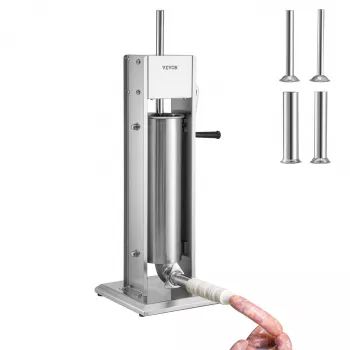
The horizontal orientation typically sits securely on a counter and keeps the cylinder accessible for loading and cleaning. This matters when you’re working with cold meat and want to move quickly—less awkward lifting, less mess, and fewer stops to reset your setup.
Nozzles matter because casing sizes vary. Multiple nozzle diameters help match casing size to sausage style (small for snack sticks, larger for bratwurst-style casings). A better nozzle-to-casing fit reduces blowouts, improves fill consistency, and limits trapped air pockets—especially important for snack sticks, where small gaps show up fast.
Key Features to Look For in a Reliable Stuffer
Stuffers can look similar at a glance, but the small details affect how smooth the fill feels and how long cleanup takes.
- Capacity: Choose a cylinder size that matches your batch size to reduce reloads without making cleaning burdensome.
- Stable mounting: A sturdy base or clamp points help prevent tipping while cranking dense mixes.
- Smooth crank and gearing: Consistent movement supports uniform fill density and cleaner twist points.
- Food-contact materials: Prioritize easy-to-clean surfaces and parts that handle cold, salty meat mixes.
- Piston seal performance: A good seal helps reduce air push-through and messy backflow.
- Nozzle set coverage: A range of tube sizes broadens the types of sausage you can make without improvising adapters.
For safe handling and temperature basics, reference authoritative guidance like USDA FSIS: Sausages and Food Safety and the meat safety resources from the University of Wisconsin–Madison Division of Extension (MeatHACCP).
Nozzle Sizes and What to Make With Them
Nozzle selection is a practical “fit and feel” decision. If the casing has to be forced onto the tube, you’ll fight friction and tearing. If it’s loose, it can slip, wrinkle, or fill unevenly.
- Smaller tubes: Best for collagen snack-stick casings, slim breakfast links, and narrow sheep casings.
- Mid-size tubes: Versatile for most fresh sausage in hog casings, including Italian-style links.
- Large tubes: Useful for thicker casings, summer-sausage style, or faster loading when making bulk coils.
- Tip: Keep the nozzle lightly damp and avoid overpacking the cylinder to reduce friction and casing tears.
Common Sausage Types and Practical Nozzle Match
| Sausage style | Typical casing type | Nozzle fit goal | Notes for cleaner results |
|---|---|---|---|
| Breakfast links | Sheep or small collagen | Small tube for snug fit | Crank slowly; twist after resting a few minutes |
| Italian links | Hog casing | Mid-size tube | Poke tiny air bubbles with a sterile pin |
| Bratwurst | Hog casing | Mid-size to larger tube | Keep meat mix very cold for smoother flow |
| Snack sticks | Collagen | Small tube | Avoid air gaps; consistent pressure matters most |
| Bulk coil | Hog casing | Larger tube if available | Lay coil on a tray; don’t overstuff to prevent split seams |
Step-by-Step: Filling Casings Without Blowouts
Clean links start long before you crank the handle. Small prep steps reduce air pockets, smearing, and casing damage.
- Chill everything: Cold meat mix (near refrigerator temperature) feeds more smoothly and smears less fat.
- Prep casings: Soak natural casings as directed; flush the interior to remove salt and check for weak spots.
- Load the cylinder evenly: Press out major voids by hand to limit air pockets before cranking.
- Prime the nozzle: Crank until meat just reaches the tip, then slide the casing on to avoid starting air.
- Control backpressure: Guide casing off the nozzle with one hand while cranking steadily with the other.
- Stop before fully tight: Slightly underfilled casings twist and link more cleanly and are less likely to burst.
- Linking: Twist in alternating directions (or use butcher’s twine) for consistent links.
Cleaning, Care, and Food Safety Basics
A Practical Option: Horizontal Sausage Stuffer with 5 Nozzles
If you want one tool that covers multiple casing sizes without tinkering, the Horizontal Sausage Stuffer with 5 Nozzles is built around that idea. Five nozzle sizes make it easier to go from slim snack sticks to thicker links without forcing a casing onto the wrong tube.
Other handy add-ons from the shop
- Levi’s Classic Logo Long-Sleeved Sweatshirt for chilly garage or basement processing setups where staying warm helps you keep meat cold and work comfortably.
- Deck Mounted Brass Waterfall Basin Faucet with Single Handle to refresh a utility sink area for faster rinsing of nozzles, brushes, and hands during cleanup.
FAQ
How do you prevent air pockets when stuffing sausage?
Keep the meat mix very cold, pack the cylinder firmly to remove voids, and prime the nozzle before sliding on the casing. Crank with steady pressure and prick any visible bubbles with a clean pin.
Which nozzle should be used for hog casings?
Use a mid-size nozzle that lets the casing slide on snugly without stretching. Too small increases friction and tearing, while too large can slip and lead to uneven fill.
Can a horizontal stuffer be used for snack sticks?
Yes—use the smallest nozzle that matches your collagen casing size and keep the mixture cold. Consistent pressure is key to avoiding hollow spots and wrinkles.








Leave a comment